
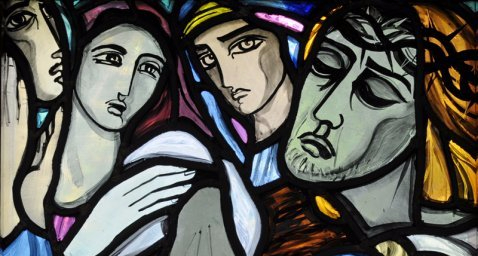
Pope Francis, considered one of the more progressive popes of the modern era, has recently declared that the Catholic ban on ordaining women will continue indefinitely. While many in and outside the Church had hoped the Pope’s liberal views would extend to female inclusion in priesthood and ministry, his declaration should not come as a surprise: the Catholic Church in particular has always grappled with a deeply patriarchal past and a tendency toward misogynistic policies. Gender-based doctrine like this, tolerated already due to the commonplace sexism of Western culture, often finds its justification in scripture, especially the New Testament. Theologians and church leaders frequently cite the ministry of Jesus and the epistles of Paul, for example, in explaining why women should be excluded from leadership roles and treated differently than their male counterparts. For this reason and others, many contemporary feminists and liberal thinkers reject the New Testament entirely as a sexist product of the patriarchal society in which it was written. By considering the role of gender in first the Gospels and then the Pauline epistles, this paper evaluates the reality of this characterization, exploring the ways the portrayal of Christ’s radical message both affirmed and rejected the oppression of women. A complicated reality emerges from this exploration: that the struggle between the drive to radical theological inclusion and the necessity of social order and orthodoxy produced a text with palpable and carefully-crafted tension, yielding completely to neither full gender equality nor complete patriarchy.
Continue reading “Whoever Does the Will of God: Women in the New Testament”

 To Marvelous Light