I spend a lot of time in doctor’s offices,
classrooms,
coffee shops, sometimes,
where the brew smells so strongly I can almost taste it, bitter
on the roof of my mouth.


I spend a lot of time in doctor’s offices,
classrooms,
coffee shops, sometimes,
where the brew smells so strongly I can almost taste it, bitter
on the roof of my mouth.
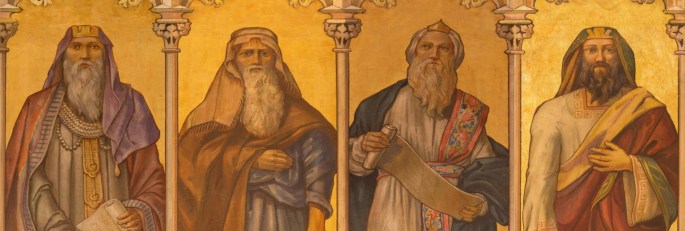
Yes, the wickedness of man was great in the earth,
so God made their sons as many as the dust of the earth,
the dirt of the earth,
a covenant in their flesh established
between ‘me and you’ –
by which God meant, between ‘He and he,’
every male among them –
this was only the beginning of what they would do.
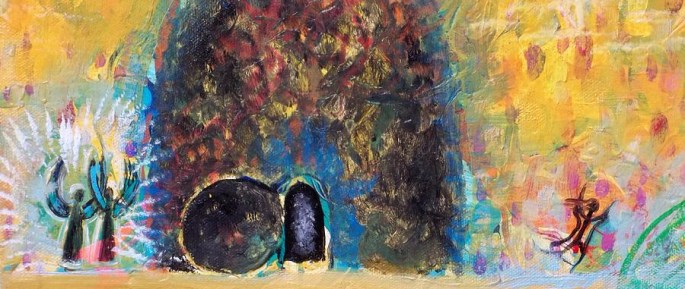
In the Gospel of John, Mary Magdalene is the first to encounter the risen Christ. After the male disciples have returned to their homes, she weeps at the tomb alone, telling the two angels there, “They have taken away my Lord, and I do not know where they have laid him.”[1] She turns and sees Jesus, though she does not know it is he, and pleads with him: “Sir, if you have carried him away, tell me where you have laid him, and I will take him away.”[2] Mary is desperate, seeking and grieved. But Jesus reveals himself by saying her name, and she responds with joy: “Teacher!”[3] It is a sweet tale, full of grief and hidden expectation, full of the persistence of a follower of Christ who refuses to give up on his promise. It is also, however, not the story most will conjure up when thinking of Mary Magdalene.
The repentant whore, the woman with the alabaster jar, the lady of seven vices, the sinful woman – Mary has collected many names in the Christian world over the past two thousand years. But none, it turns out, is an accurate portrayal of Mary. A close analysis of the text of the New Testament, especially the Gospels, reveals no connection between Mary Magdalene, from whom seven demons were removed, and the prostitute, who anoints his feet before the crucifixion. Scholars studying ancient sources both canonical and non-orthodox agree that Mary Magdalene was actually an important, non-prostitute figure in Jesus’ ministry, most certainly in appearance at his crucifixion and, according to tradition in almost all texts that mention her, at the tomb to encounter him in his risen form after the resurrection.[4]
Continue reading “An Idle Tale: Mary Magdalene in the Ancient Church”

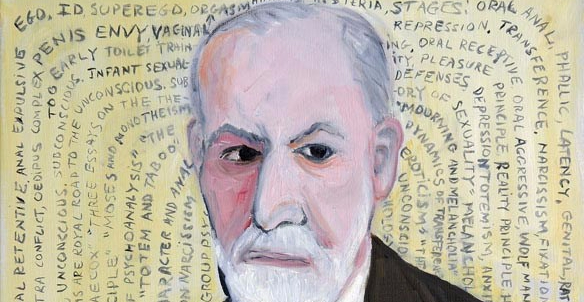
Freud loved to write of caves and hidden bays,
hollow drops and channels for green
and spiky dreams, tucked mean
inside the brains of men he never knew.
Freud loved to write of mind-
sick men, their mind-
sick needs, said he,
their lurch and lust to possess and press,
and very best to take some female flesh,
to lie within the one that warmed and
knit and brought them writhing into life.

By October our sorrows have gathered for
revelation. It is something of a spectacle, yours
and hers and hers and his, our stories now numbers and digits — is
this really what she would have wanted? The
girls are weeping while the men still hold close the keys of their kingdom.
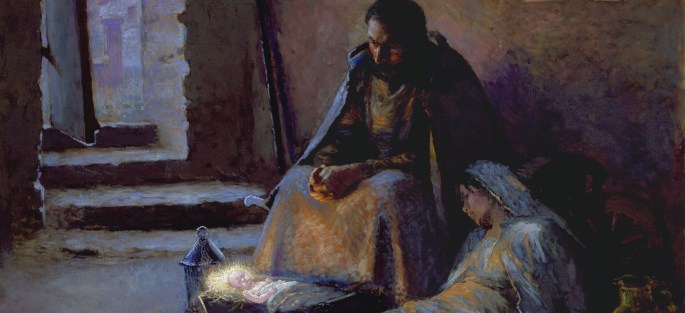
In damp
and low-lit
basement, blessed Mary
lies with soiled veil,
straw like
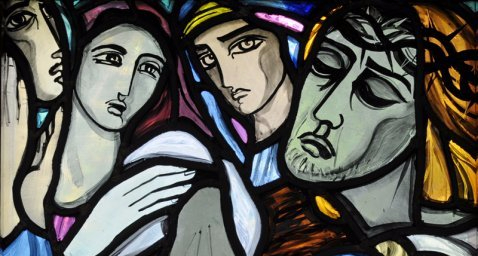
Pope Francis, considered one of the more progressive popes of the modern era, has recently declared that the Catholic ban on ordaining women will continue indefinitely. While many in and outside the Church had hoped the Pope’s liberal views would extend to female inclusion in priesthood and ministry, his declaration should not come as a surprise: the Catholic Church in particular has always grappled with a deeply patriarchal past and a tendency toward misogynistic policies. Gender-based doctrine like this, tolerated already due to the commonplace sexism of Western culture, often finds its justification in scripture, especially the New Testament. Theologians and church leaders frequently cite the ministry of Jesus and the epistles of Paul, for example, in explaining why women should be excluded from leadership roles and treated differently than their male counterparts. For this reason and others, many contemporary feminists and liberal thinkers reject the New Testament entirely as a sexist product of the patriarchal society in which it was written. By considering the role of gender in first the Gospels and then the Pauline epistles, this paper evaluates the reality of this characterization, exploring the ways the portrayal of Christ’s radical message both affirmed and rejected the oppression of women. A complicated reality emerges from this exploration: that the struggle between the drive to radical theological inclusion and the necessity of social order and orthodoxy produced a text with palpable and carefully-crafted tension, yielding completely to neither full gender equality nor complete patriarchy.
Continue reading “Whoever Does the Will of God: Women in the New Testament”

“When Jesus rose early on the first day of the week,
he appeared first to Mary Magdalene,
out of whom he had cast seven demons.”
– Mark 16:9
I.
A risen Lord
for a risen hope:
may we find you weeping again,
blessed one,
your sisters are calling you.
 To Marvelous Light